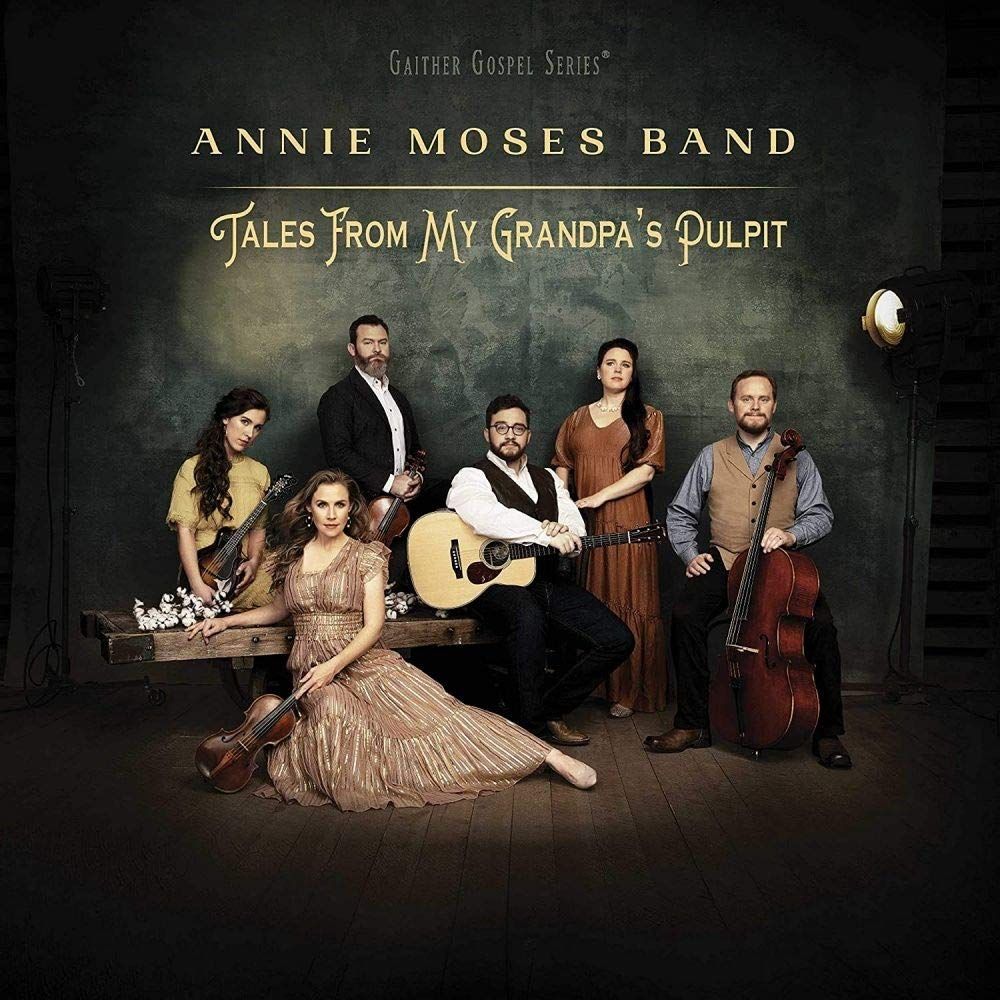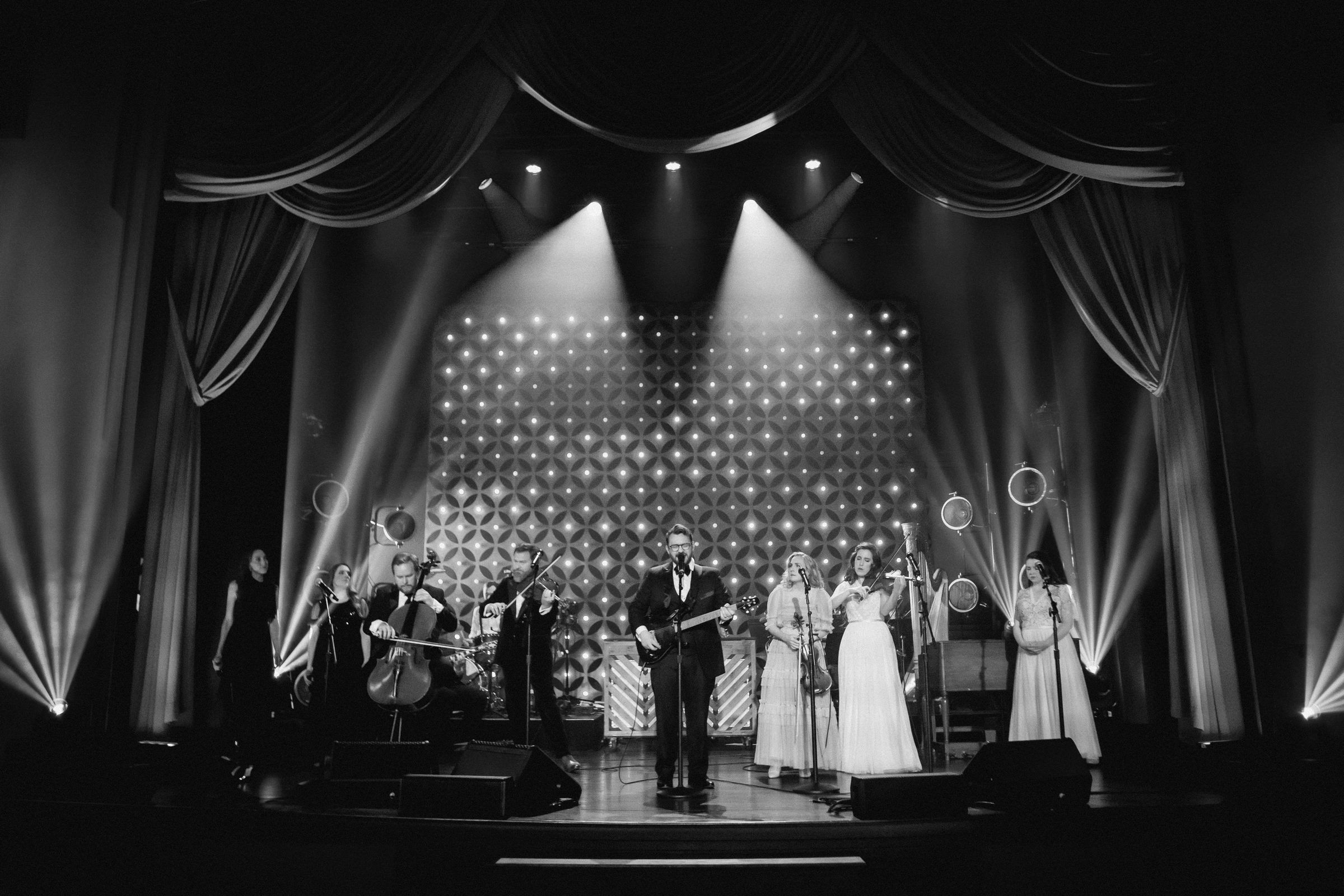
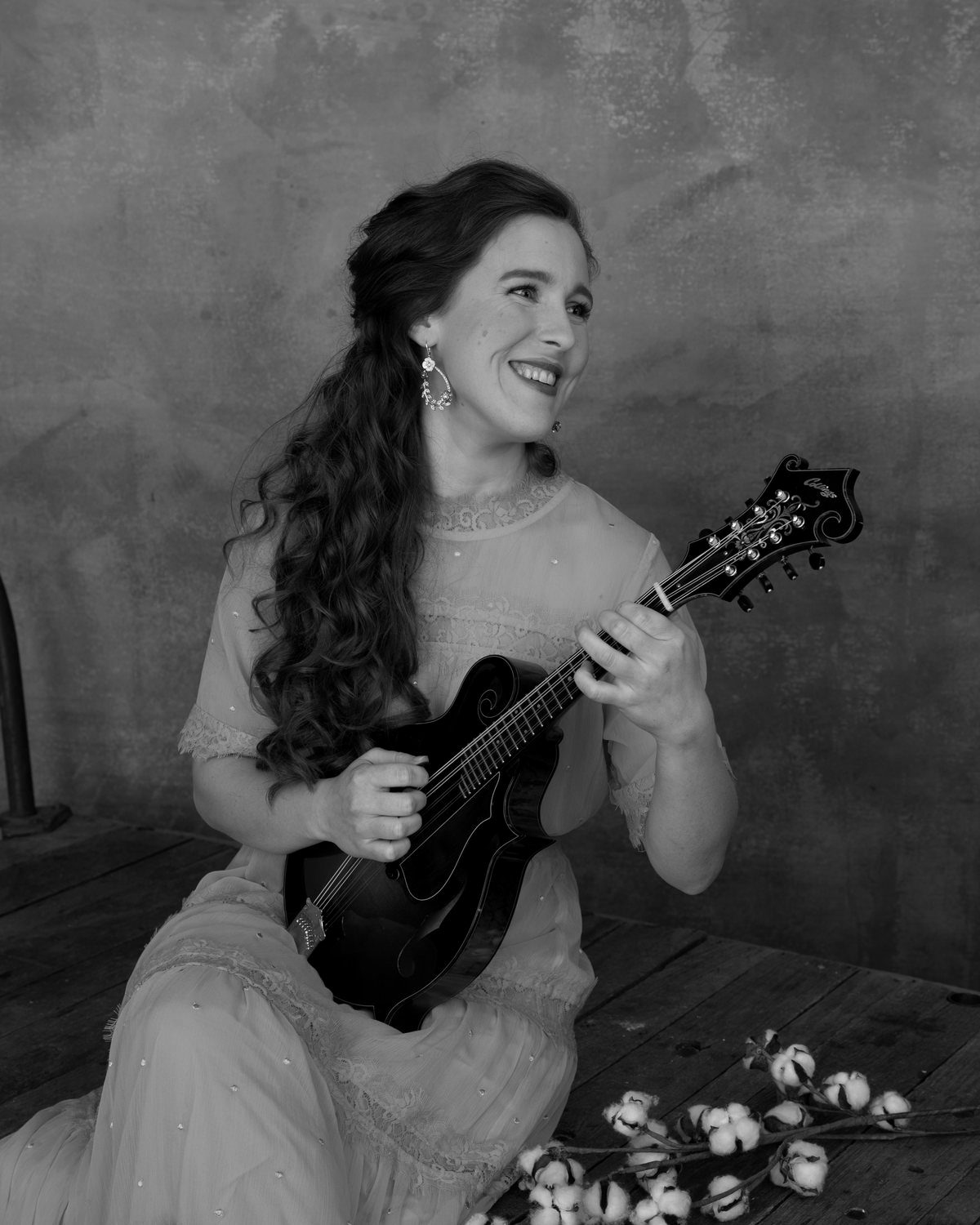
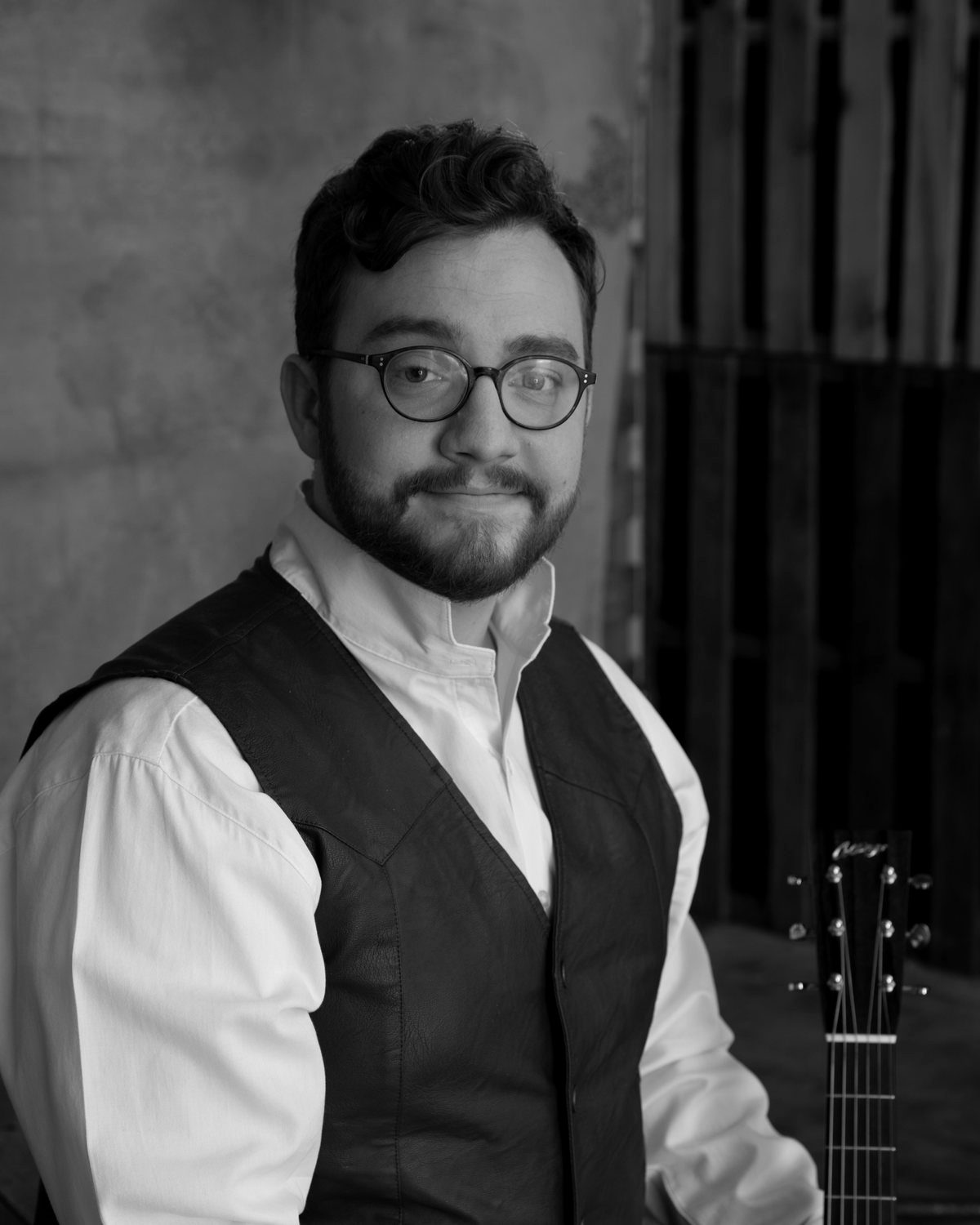
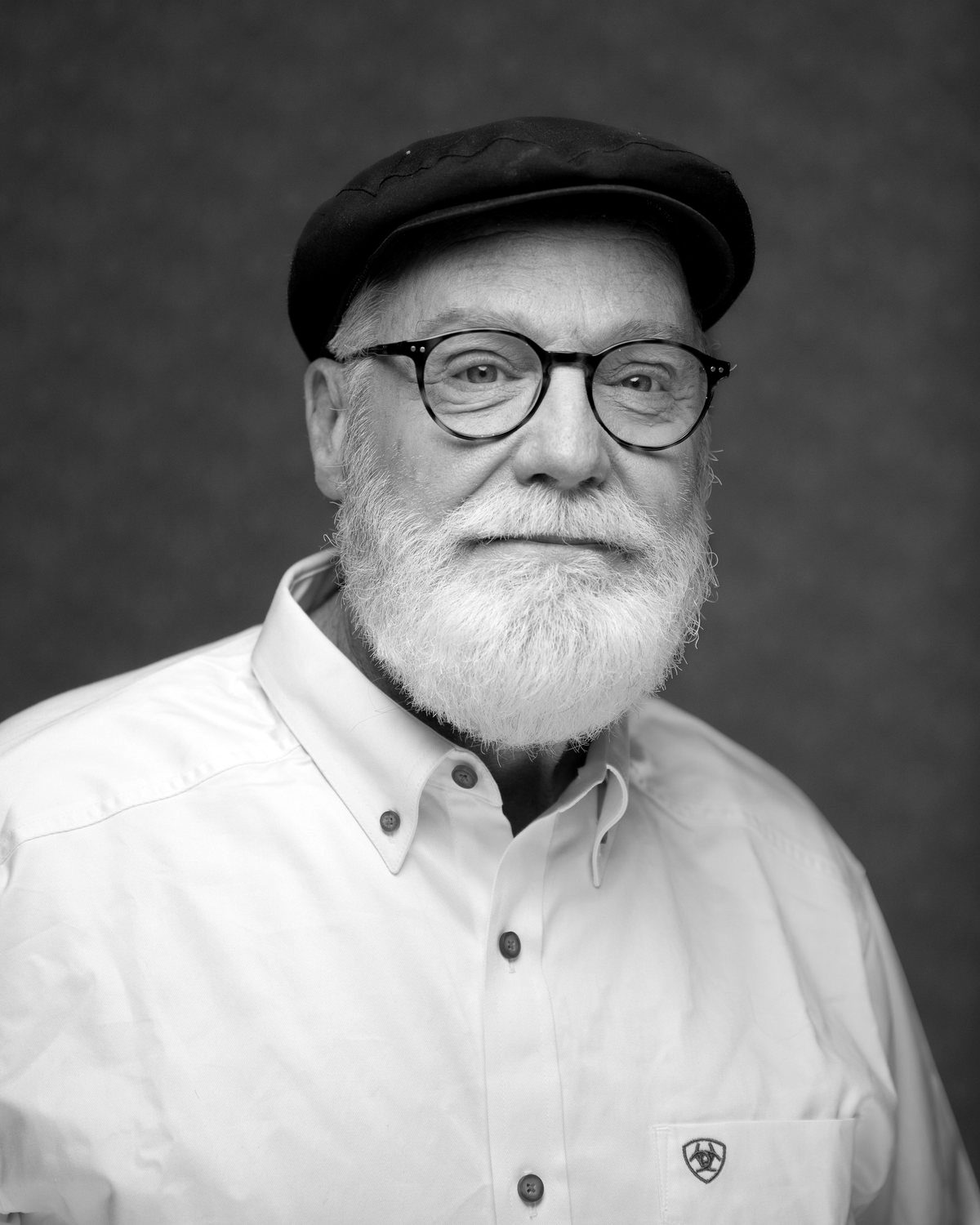
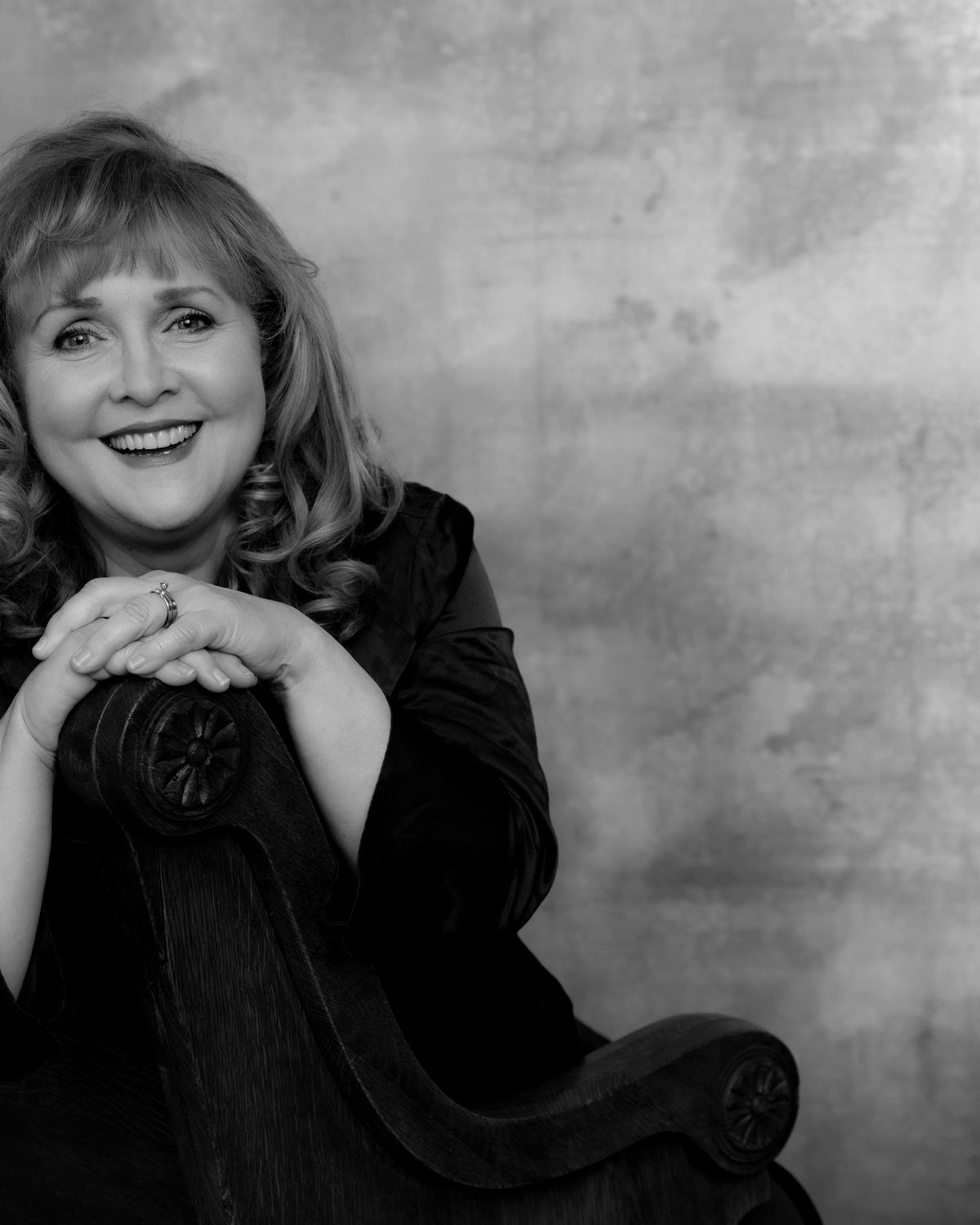
The Band
One family on a musical mission.
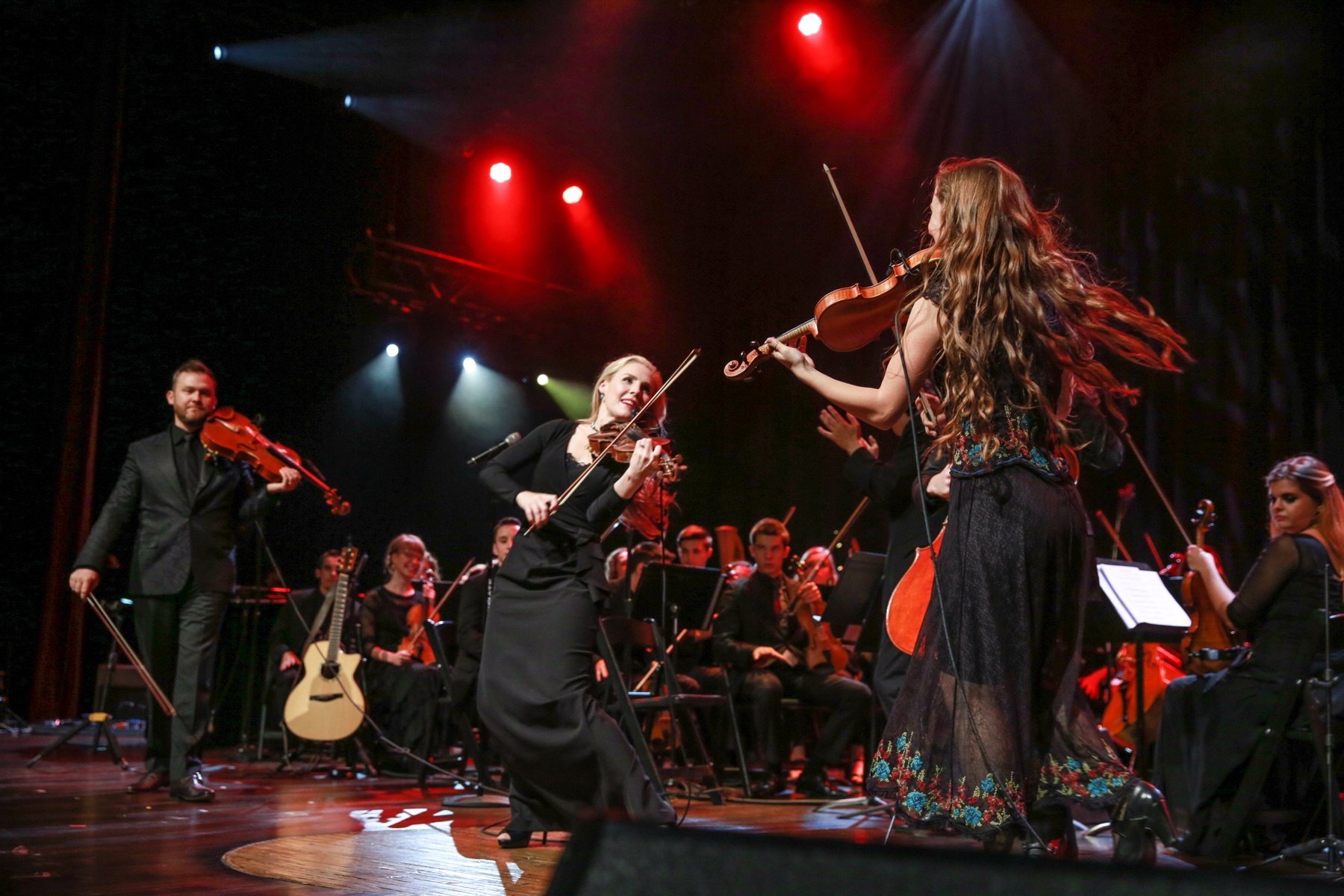
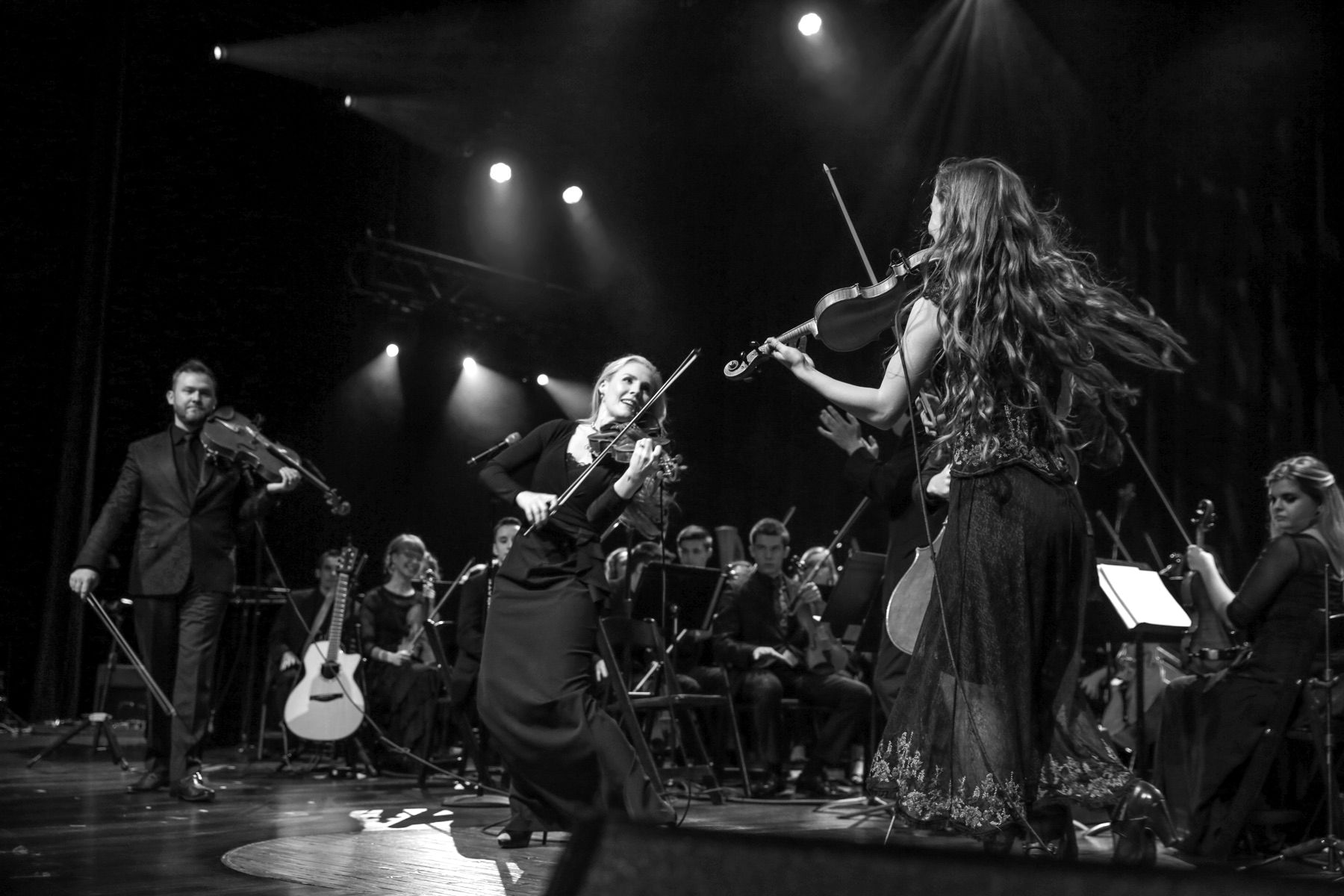
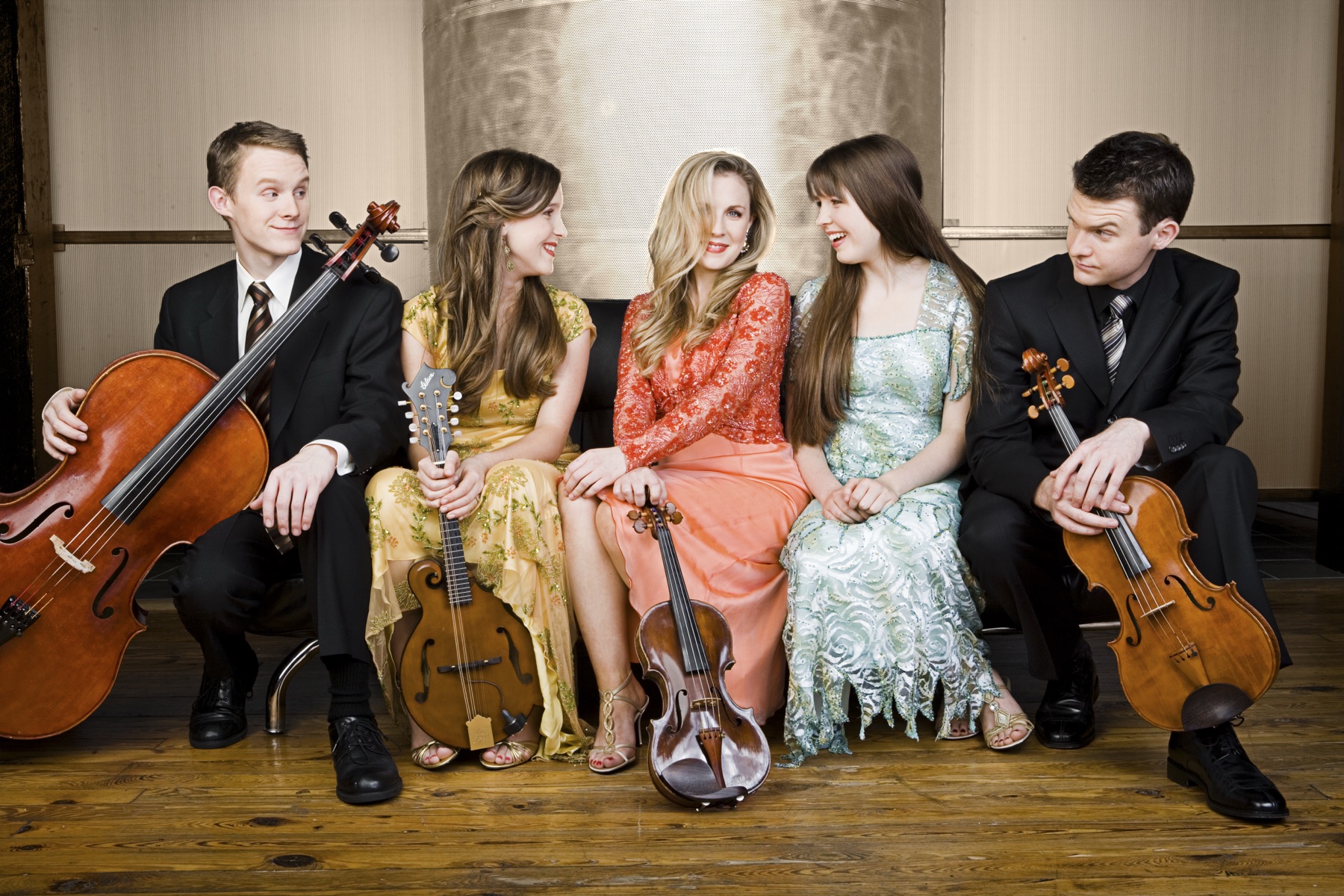
Annie was in her freshman year. Alex and Benjamin were students at the Pre-College Division. The family had been performing together as children for years — corporate work at the Opryland Hotel, the National Boy Scouts convention, the IBM National convention — but the ensemble that would carry the Annie Moses Band name took shape during the years in New York. The earliest performances were a few local open mics in the Hudson Valley and Connecticut — The Town Crier, Bodles Opera House — to standing ovations and the quick realization that a seven-piece classically-trained ensemble was not what an open mic night had in mind.
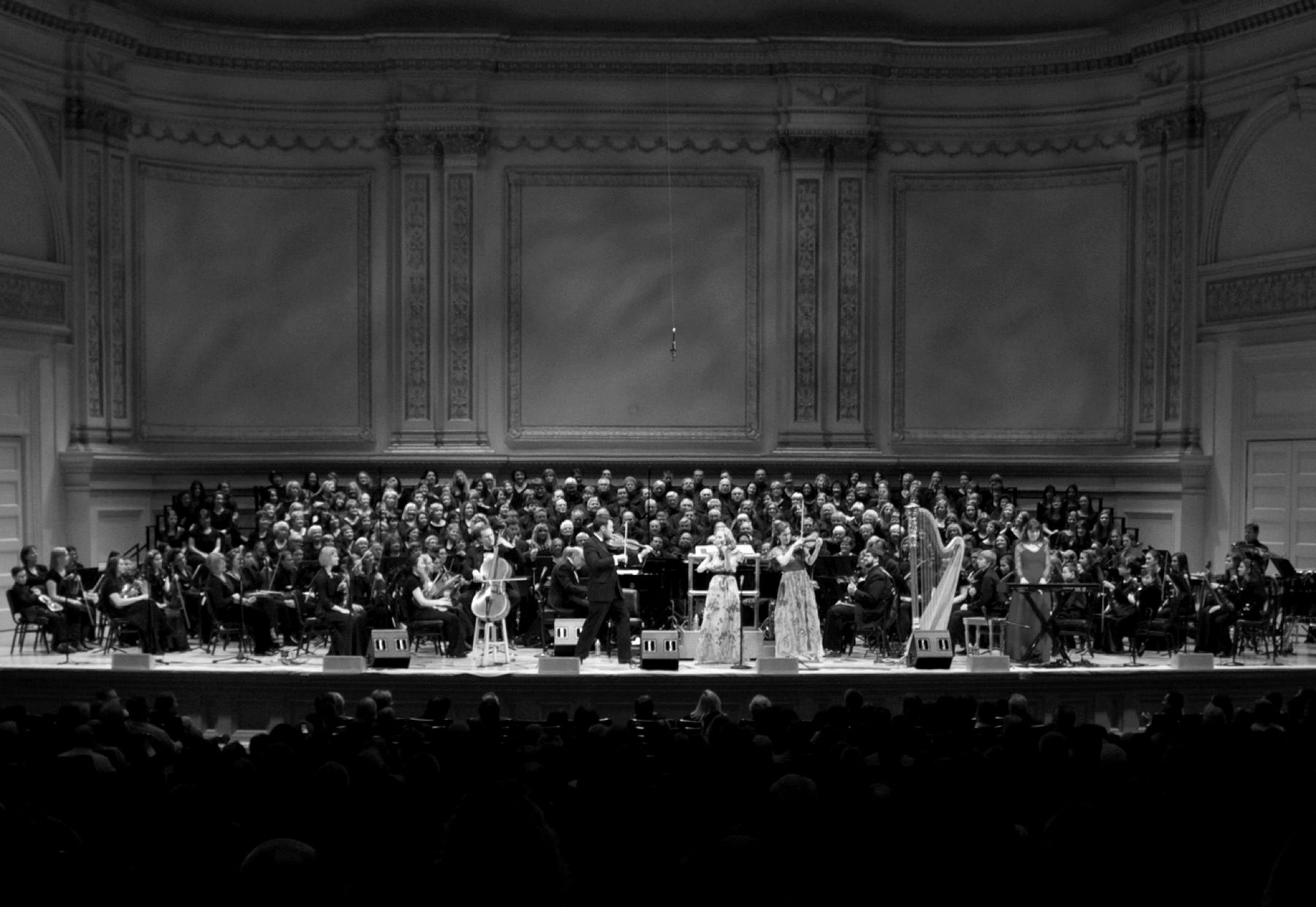
The turn came through an invitation. Bill's connections in the music-publishing industry led to a forty-five-minute set at a J&J Music conference of three hundred music ministers in New York City, 2001. The set produced a standing ovation and, in its wake, requests that consolidated into a thirty-three-city tour across the United States, culminating in a performance at Adrian Rogers' Bellevue Baptist in Memphis where the Band filmed its first live concert DVD. That October the family was invited to perform at Gaither Music's PraiseGathering arena event in Indianapolis. From PraiseGathering, the Band began touring full-time — up to a hundred concerts a year — and the family moved back to Nashville to make the touring life sustainable.
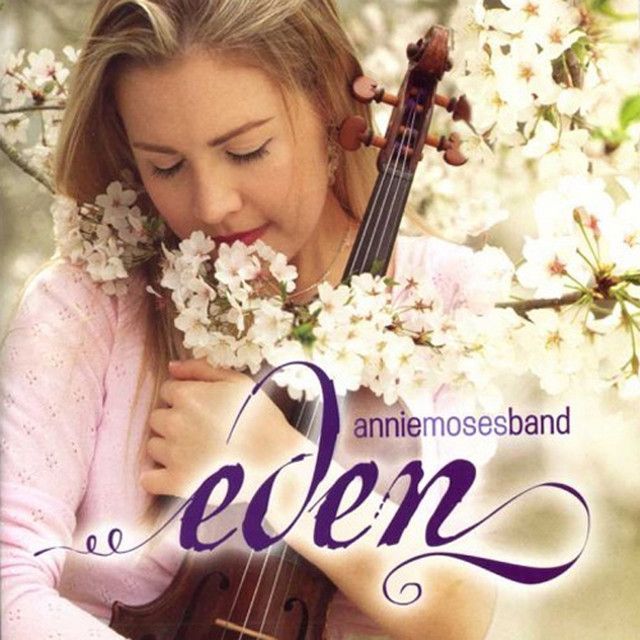
Several Nashville labels noticed. Annie was offered development deals on the condition that she leave the family band behind and work as a solo vocal artist — the early-2000s commercial template for a young female vocalist. She declined. The Band recorded Eden, their first commercial release and their first project made in professional Nashville studios, and Strings Magazine published a feature on the ensemble titled “Go Down, Moses” by Bob Doerschuk surrounding the release.
In the meeting at Provident that would lead to the Band's first major-label deal, then-president Terry Hemmings asked Annie what her dream for her career was.
“I hope that at the end of our career we can look back and see a thousand churches who have opened Arts Academies because of our legacy.”
The Annie Moses Foundation, the Annie Moses Summer Music Festival, the Conservatory of Annie Moses, and the Annie Moses Institute all came later. In retrospect the family understands that exchange — a young woman in a label boardroom, before any of those things existed — as the first crystallization of the vision that would eventually become the Institute.
The early years