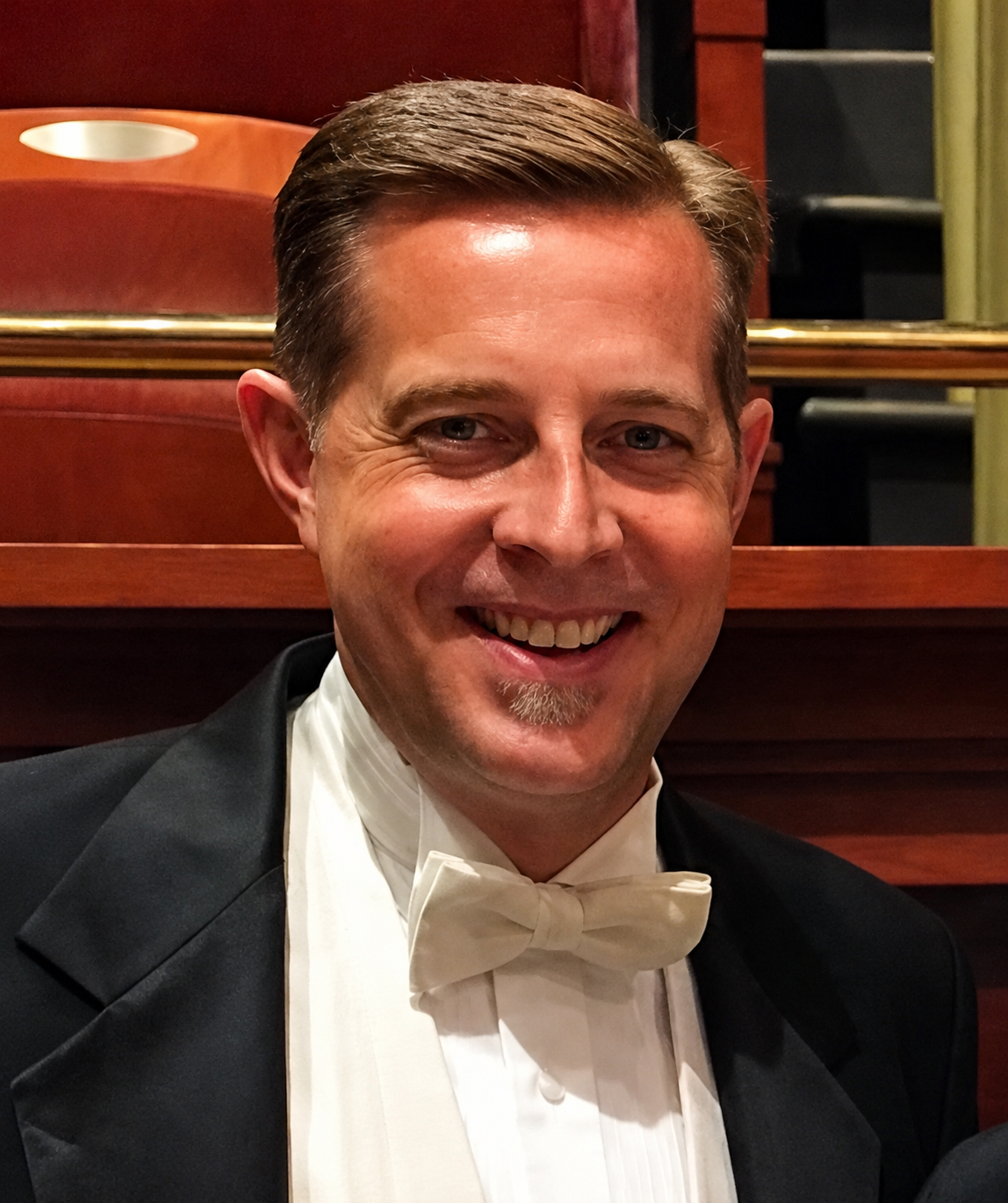
 Portrait
Faculty
Scot Corey
Drums
Scot Corey is a freelance drummer and percussionist who has performed as an extra with the Nashville Symphony for more than 10 years, including the NSO’s Carnegie Hall debut and, most recently, its Naxos recording of Piazzolla’s Sinfonia Buenos Aires. He has served as adjunct percussion faculty at Trevecca Nazarene University since 2000 and is a founding member of the Matrix Percussion Trio, which has provided free educational concerts to more than 26,000 students in the greater Nashville area.
Biography
On Scot.
Scot Corey is a freelance drummer and percussionist who has performed as an extra with the Nashville Symphony for more than 10 years, including the NSO’s Carnegie Hall debut and, most recently, its Naxos recording of Piazzolla’s Sinfonia Buenos Aires. He has served as adjunct percussion faculty at Trevecca Nazarene University since 2000 and is a founding member of the Matrix Percussion Trio, which has provided free educational concerts to more than 26,000 students in the greater Nashville area.
Scot began his professional career in 1985 as a drummer and percussionist for musical theater. To date, he has played more than 40 different shows, including many at Cumberland County Playhouse and TPAC.
His training includes a BM in Performance from the University of Illinois, where he studied with Frederick D. Fairchild and Thomas Siwe, and an MA in Education–Music from Tennessee Technological University, where he studied with Joseph Rasmussen.
Since moving to Nashville, Scot has maintained an active freelance schedule across a wide range of musical settings. His work includes percussion with the Nashville Symphony, Nashville String Machine, and Nashville Chamber Orchestra, including Bonnaroo 2004; drum set, loops, and percussion for recording sessions, live performances, and Green Hill Church in Mt. Juliet; steel drums with Coral Bay Steel Drum Band; and ethnic percussion with Som Brasileiro, a nine-piece Brazilian band.
Scot is proud to endorse Innovative Percussion sticks and mallets. He purchased his first set of four IP mallets as a graduate student in 1993 and still uses those same mallets to this day—a testament to their quality.